



Recalculating Inspection Cost: Rope Access versus Scaffolding
An honest cost comparison does not stop at the scaffold hire rate. Three cost lines are almost always left out of the calculation.
Published · Tim Rope Access Center
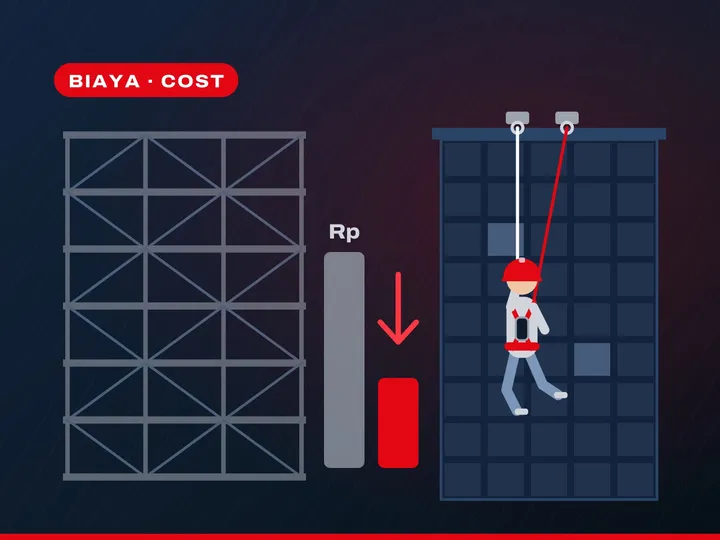
Table of Contents
When we submit a rope access inspection quotation, the first comparison a prospective client makes is almost always the same: our team’s day rate against the scaffold hire rate. That comparison is not wrong, but it is incomplete.
The first line missed: erection time
Scaffolding a 60-metre flare stack takes roughly ten to fourteen days to erect, and nearly as long to dismantle. A rope access team rigs in two to four hours.
That gap is not merely a schedule number. On an asset that must be shut down for the duration, every day of difference translates directly into lost production.
The second line: cumulative risk exposure
Every working hour at height is exposure. Erecting the scaffold is itself high-risk work at height, performed by a different crew, before your inspector even goes up.
If a job takes 600 person-hours to build access and 40 person-hours to inspect, then 94 per cent of the risk exposure comes from the access — not from the work you actually wanted done.
The third line: disruption to the surrounding area
Scaffolding consumes floor space, obstructs escape routes, and reshapes traffic patterns through a production area. This cost rarely appears on a comparison sheet because it is hard to quantify — but an operations manager who has lived through it knows exactly what it is worth.
When scaffolding is still the right call
Honesty demands we say this. Scaffolding wins when the work requires very long dwell time at a single point, when a broad working platform is needed for heavy material, or when equipment loads exceed what a suspended technician can manage.
For inspection, thickness measurement, localised repair, and medium-scale coating work, rope access wins on all three lines above almost every time.
Related Articles
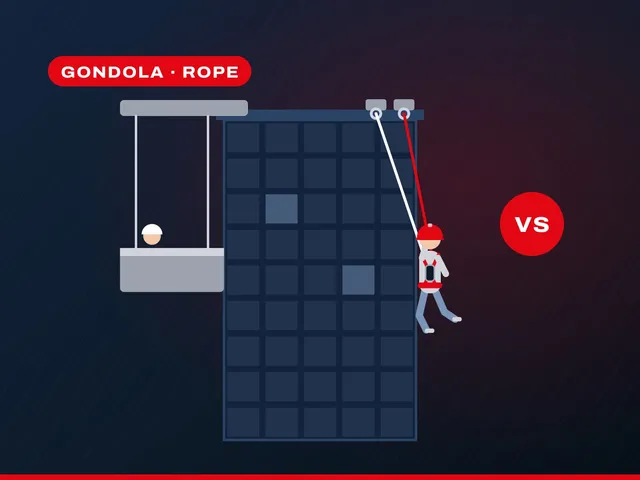
Rope Access vs Gondola: Which Is Right for Your Building Maintenance?
Gondolas excel on large, flat facades cleaned routinely. Rope access excels on complex facades, spot repairs, and buildings without a gondola. How to choose.
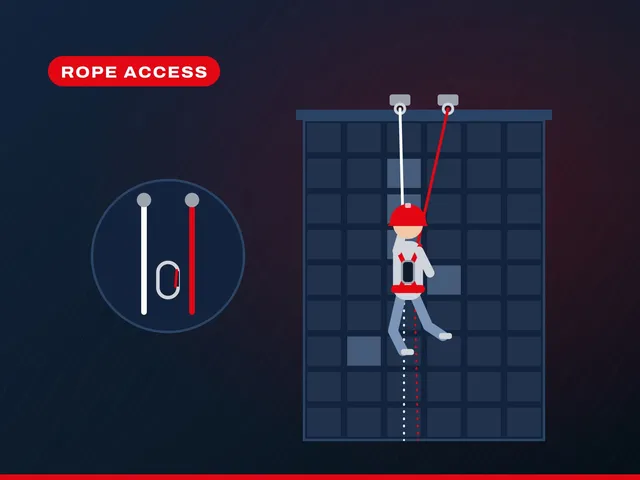
What Is Rope Access? Meaning, How It Works, and the Rules in Indonesia
A method of working at height with two independent rope systems. How it works, when it is the right choice, and the rules that apply in Indonesia.
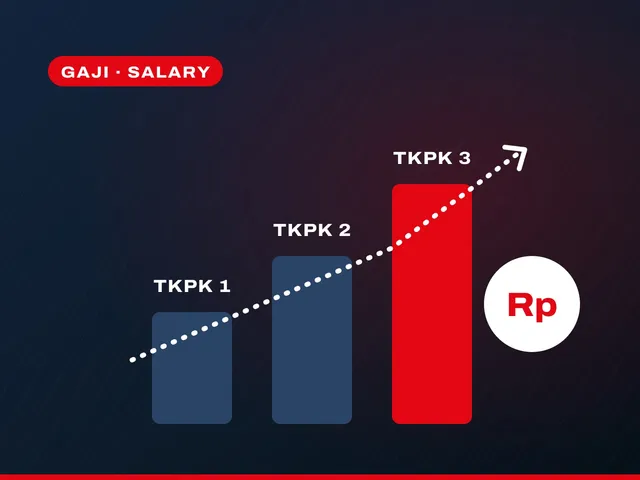
Rope Access Technician Salary in Indonesia (2026): Ranges, Factors, and How to Grow
How much do rope access technicians earn in Indonesia? Ranges from public job ads, what pushes pay up, and the role of TKPK certification in your career.