



What Is Rope Access? Meaning, How It Works, and the Rules in Indonesia
A method of working at height with two independent rope systems. How it works, when it is the right choice, and the rules that apply in Indonesia.
Published · Tim Rope Access Center
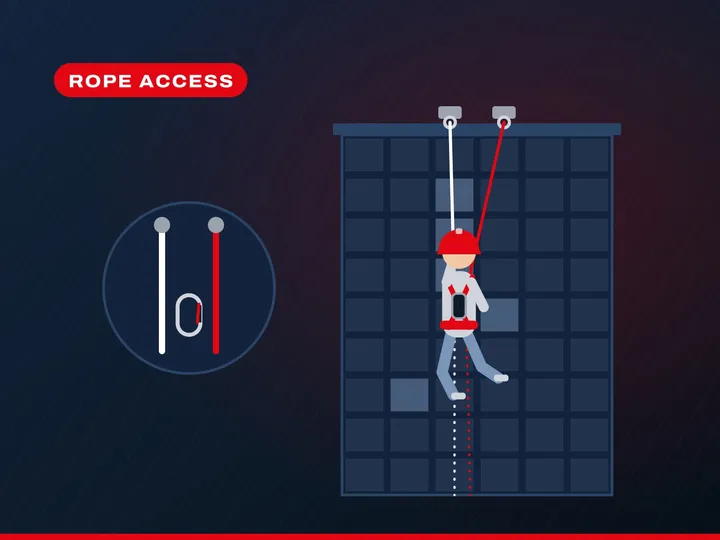
Table of Contents
Rope access is a method of working at height in which workers reach, stay at, and move around the work position by hanging on rope. It is used to clean building glass, repair façades, paint tanks, and inspect chimneys and towers.
The two-rope principle
The defining feature of rope access is two independent rope systems: a working line that supports the worker, and a safety line fitted with a fall arrest device. Each is anchored to its own anchor point. If one system fails, the other still holds the worker — which is what makes the method safe when it is done properly.
Workers wear a harness and use a descender, ascenders, and a fall arrester. All equipment is checked before use and logged periodically, as we explain in inspecting rope access PPE.
When rope access is the right choice
Rope access is usually most efficient when:
- work points are spread out and hard to reach with scaffolding or a gondola, such as façade recesses, canopies, or tank sides;
- access must be set up quickly — a rope system is rigged in hours, not days;
- the area below cannot be disrupted for long, for example in a building that stays open.
Scaffolding is still better for heavy work that stays at one point for a long time. We compare the costs in rope access versus scaffolding, and compare it with a gondola on our façade maintenance page.
The rules in Indonesia
Work at height is governed by Ministry of Manpower Regulation 9/2016, which requires planning, work procedures, suitable equipment, and competent workers. Technical guidance on rope access work was also issued in Director-General Decree 45/2008.
Rope access workers prove their competence with a Kemnaker certificate and K3 licence under the TKPK scheme, which has three grades — from TKPK Level 1 for beginners to TKPK Level 3 for supervisors. For climbing structures such as towers and steel frames, the scheme is TKBT. See our certification page for details.
For building examples — glass cleaning, sealant, and façade care — see our group article what is rope access on the Inland site.
Safety is more than equipment
Good equipment is only half the answer. Every rope access job needs a risk assessment, a competent supervisor on site, and a rescue plan that has been tested. Without them, even the best two-rope system cannot guarantee that everyone goes home safely.
Read also: rope access equipment list · Regulation 9/2016 explained · rope access vs gondola
Related Articles
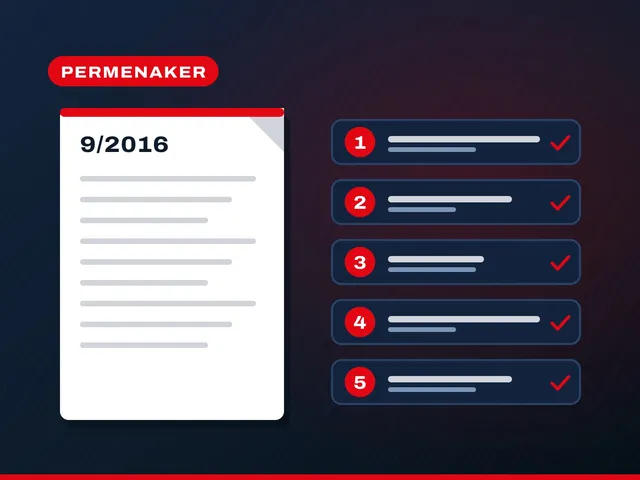
Regulation 9/2016 Explained: Indonesia's Work-at-Height Safety Rules
Indonesia's main work-at-height regulation in plain language: the five mandatory elements, who must be competent, and what it means for employers.
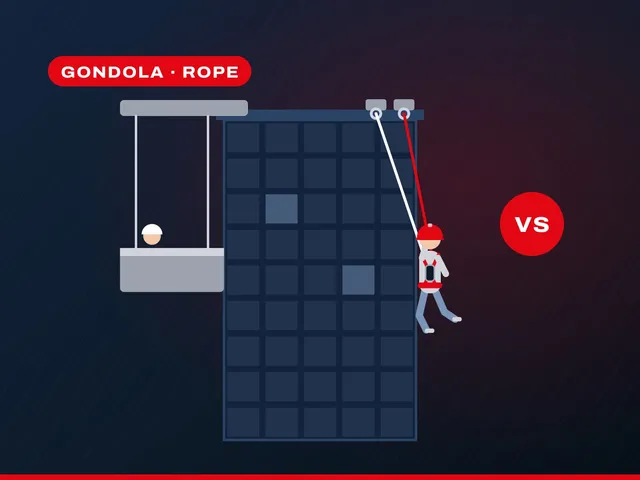
Rope Access vs Gondola: Which Is Right for Your Building Maintenance?
Gondolas excel on large, flat facades cleaned routinely. Rope access excels on complex facades, spot repairs, and buildings without a gondola. How to choose.
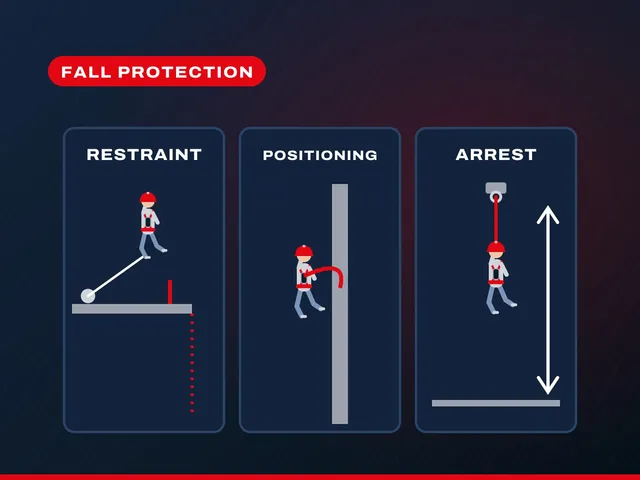
Fall Arrest, Fall Restraint, and Work Positioning: What Is the Difference?
Three fall protection terms that are often confused. Which one prevents a fall, which one stops a fall, and why the order matters.