

How to Choose a Legitimate Rope Access Training Provider: 7 Things to Check
A certificate nobody recognises is no certificate at all. Seven things to check before you pay for rope access or work-at-height training.


Insights
Practical writing on safety, certification, equipment, and careers in rope access — written by our own instructors and technicians.
A certificate nobody recognises is no certificate at all. Seven things to check before you pay for rope access or work-at-height training.
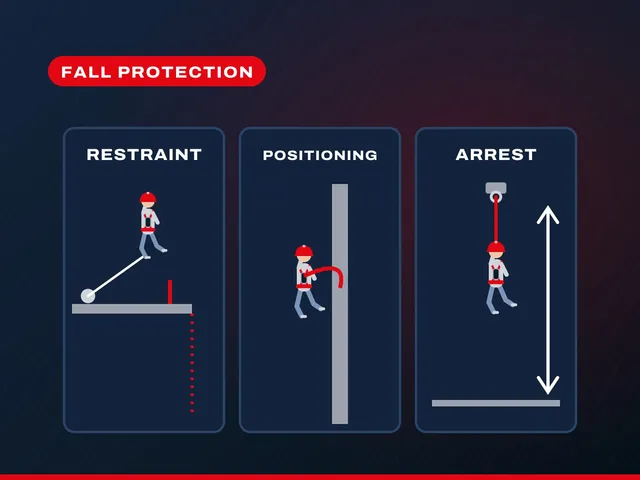
Three fall protection terms that are often confused. Which one prevents a fall, which one stops a fall, and why the order matters.
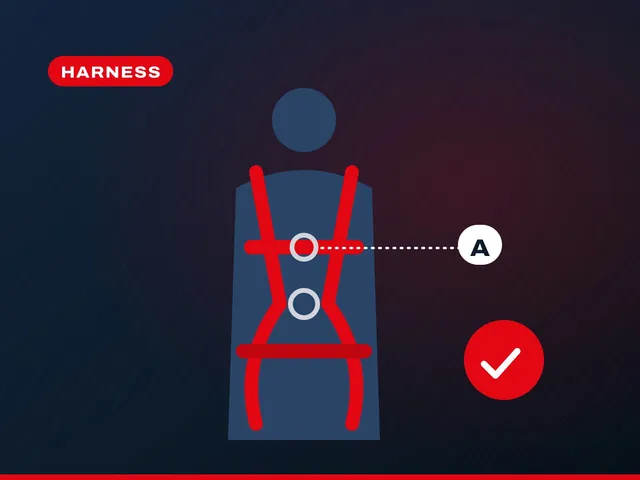
A loose or upside-down harness can injure you when it arrests a fall. Seven steps to wear it correctly, plus the mistakes we see most often.
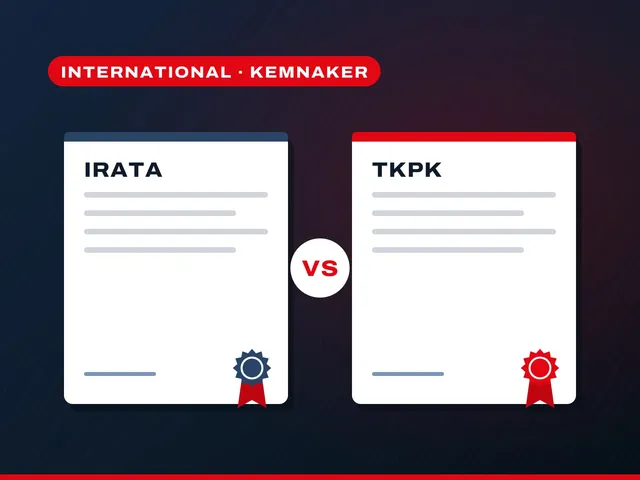
IRATA is recognised internationally; TKPK is required by Indonesian regulation. The differences, when you need which, and why many technicians end up holding both.
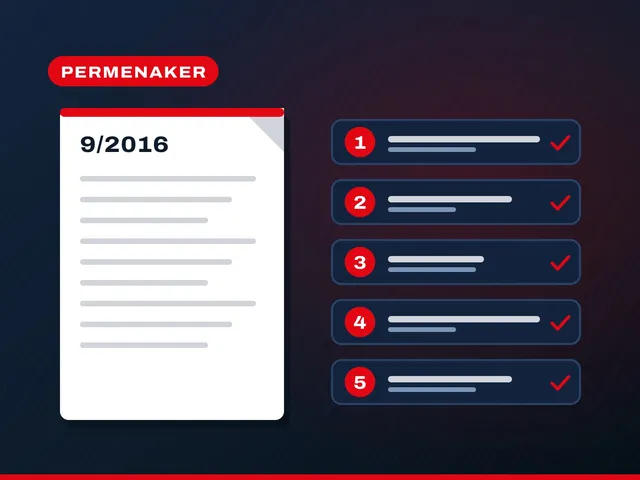
Indonesia's main work-at-height regulation in plain language: the five mandatory elements, who must be competent, and what it means for employers.
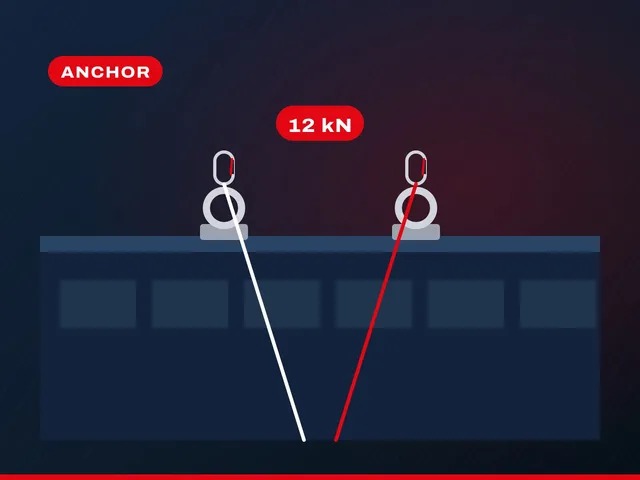
Every rope access system depends on its anchors. The main types, what strength the standard asks for, and the rigging mistakes we see most often.
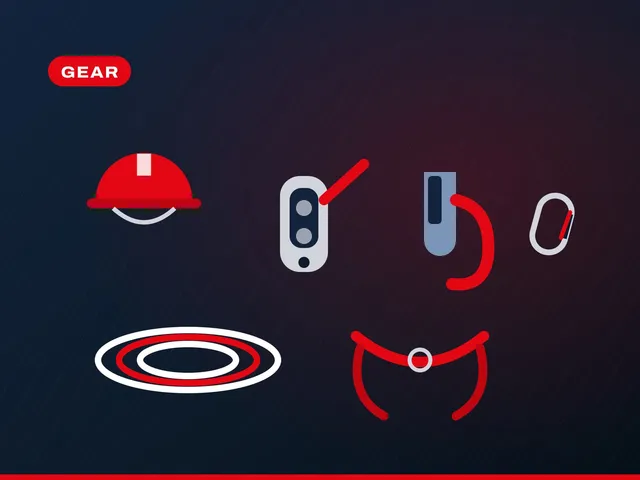
From harness to backup device: what goes in a rope access kit, what each item does, and which standards to check before you buy or use it.
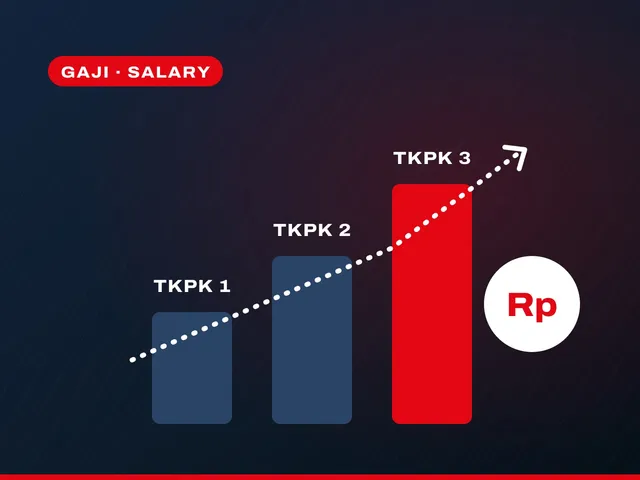
How much do rope access technicians earn in Indonesia? Ranges from public job ads, what pushes pay up, and the role of TKPK certification in your career.
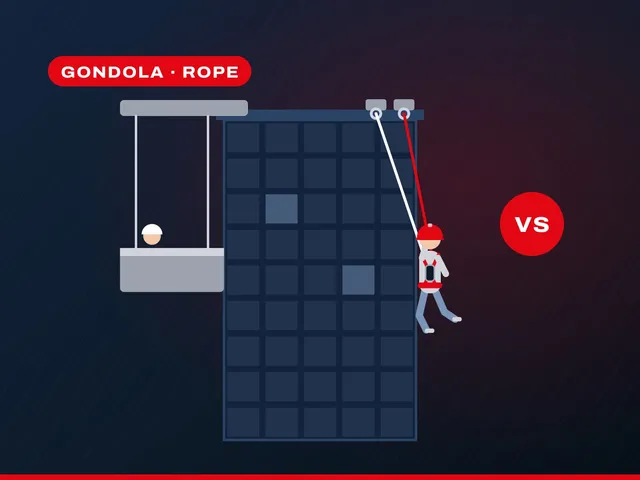
Gondolas excel on large, flat facades cleaned routinely. Rope access excels on complex facades, spot repairs, and buildings without a gondola. How to choose.
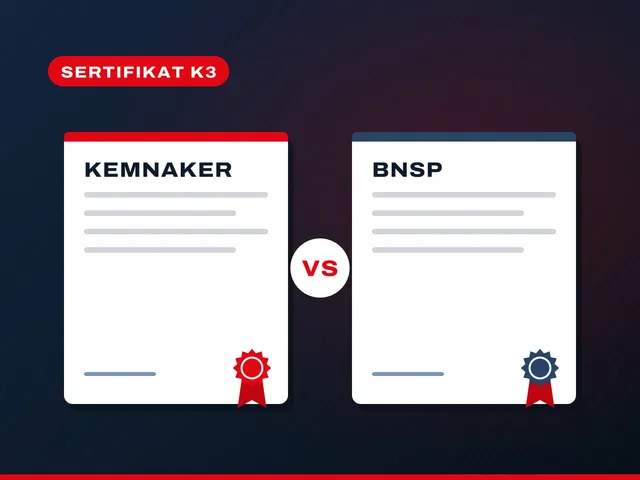
Two certification routes that are often confused. Who issues them, what rules they rest on, and how to make sure your certificate matches what the employer asks for.
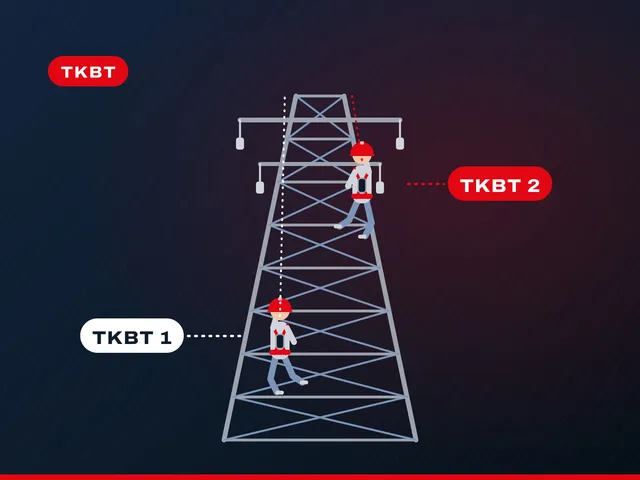
Two Kemnaker certification grades for workers who climb towers, steel frames, and scaffolds. How they differ, and when it is time to move up to Level 2.
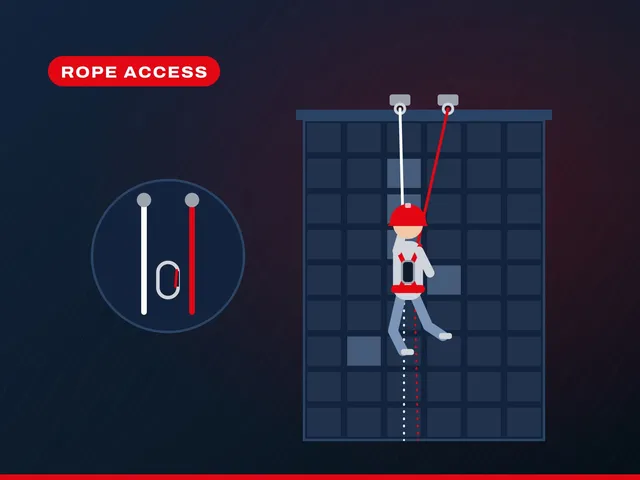
A method of working at height with two independent rope systems. How it works, when it is the right choice, and the rules that apply in Indonesia.
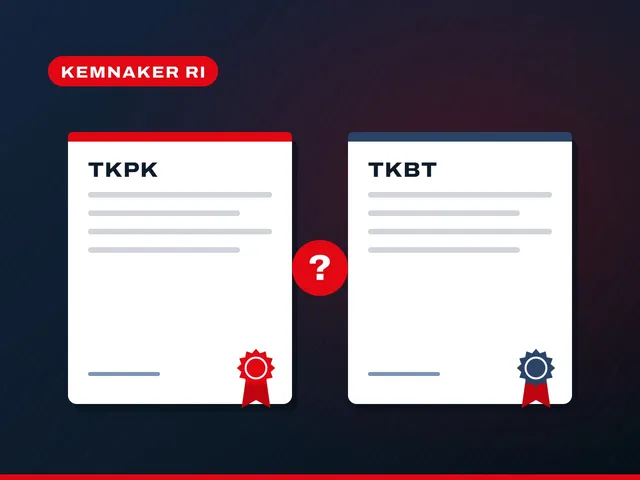
Two Kemnaker schemes for work at height, two different ways of working. A practical guide for technicians and HSE managers choosing the certification they actually need.
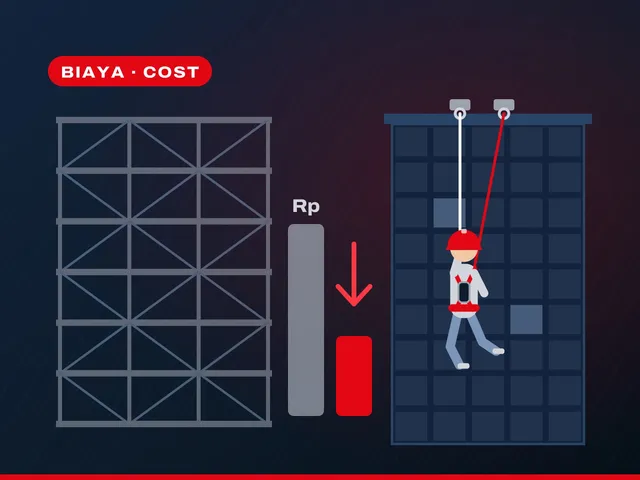
An honest cost comparison does not stop at the scaffold hire rate. Three cost lines are almost always left out of the calculation.
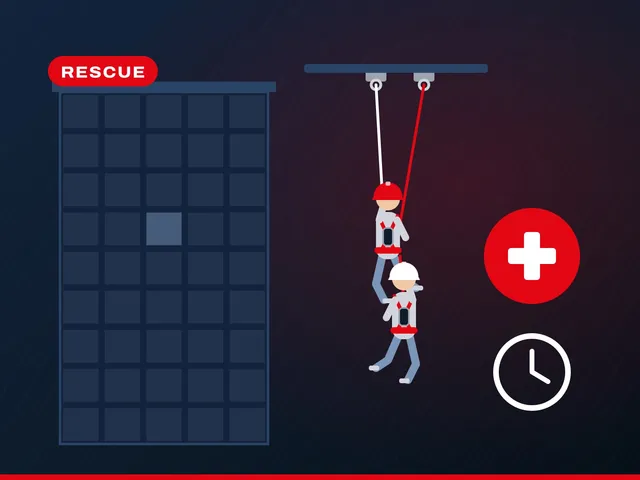
Suspension trauma can turn fatal within tens of minutes. Yet most rescue plan documents are never run once before a real incident.
The pre-use check is only half the job. The other half is the history that tells you when a piece of kit must retire.
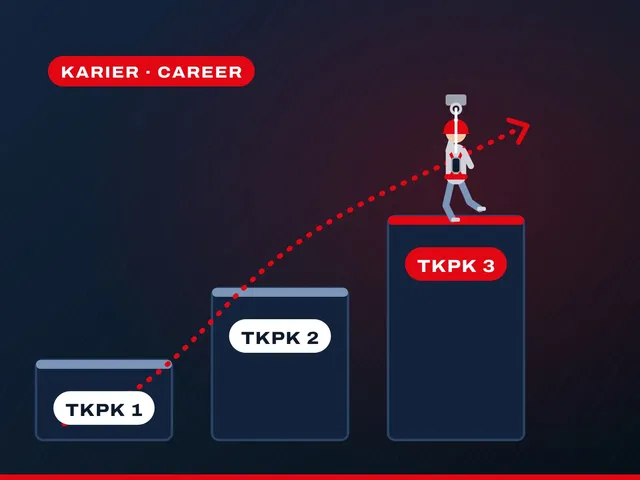
From beginner to supervisor: certification levels, the experience to build up, and the extra skills that make a rope access technician in demand.
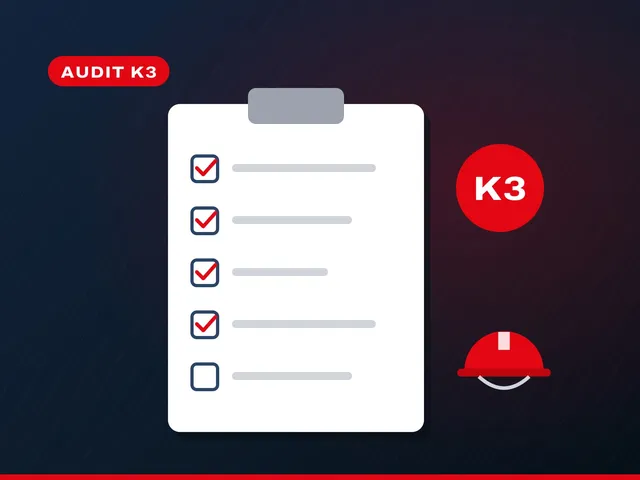
Nine documents that are almost always requested, and the three that are most often not ready.