

How to Choose a Legitimate Rope Access Training Provider: 7 Things to Check
A certificate nobody recognises is no certificate at all. Seven things to check before you pay for rope access or work-at-height training.
Published · Tim Rope Access Center
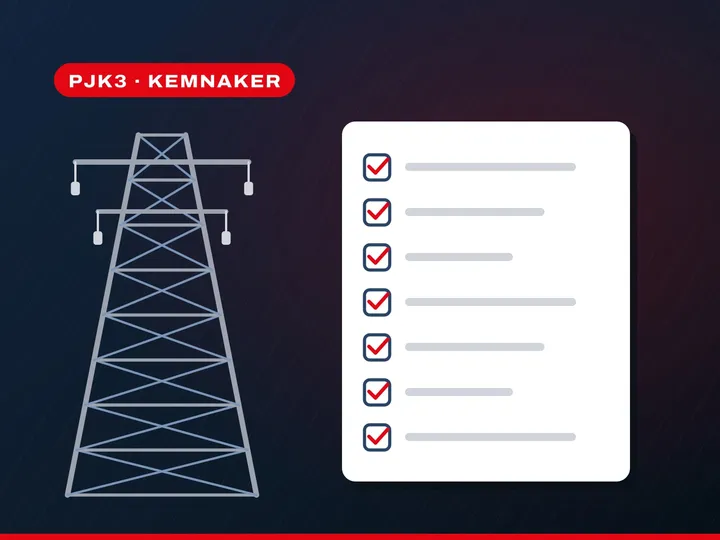
Table of Contents
Rope access training is an investment — for technicians and for companies sending their teams. Unfortunately, not every class delivers the same result. Before you pay, check these seven things.
1. Who issues the certificate?
The most important question. To work in Indonesia under Regulation 9/2016, you need a competency certificate and K3 licence from the Indonesian Ministry of Manpower. An internal certificate of attendance does not meet this requirement. See also Kemnaker vs BNSP.
2. An official delivery route
Ask which PJK3 the provider works with and how the exam process runs. A serious provider will explain the process openly, including the documents you need to prepare.
3. The right programme for your level
Make sure the programme matches your needs: TKPK for working suspended on rope, TKBT for climbing structures. Avoid “express” packages that promise to skip levels without experience.
4. Instructor-to-trainee ratio
Rope work needs close supervision. Ask how many trainees each instructor watches during practice at height.
5. Training facilities
Is there a tower or training structure for ascending, descending, rope transfers, passing knots, and edges? Practice only on a low wall does not prepare you for a real building.
6. Equipment and rescue practice
Equipment should be maintained and logged — a small sign of the provider’s safety culture. Make sure there is hands-on colleague rescue, not just theory.
7. Transparent total cost
Ask what is included: materials, equipment during training, the exam, certificate and licence issuance, meals. A low price that excludes certificate issuance often ends up costing more.
At Rope Access Center
We run Kemnaker RI–certified TKPK Level 1–3 and TKBT Level 1–2 training, with practice at height and rescue drills. Check the class schedule, read about certification, or ask for details via contact.
Related Articles
Regulation 9/2016 Explained: Indonesia's Work-at-Height Safety Rules
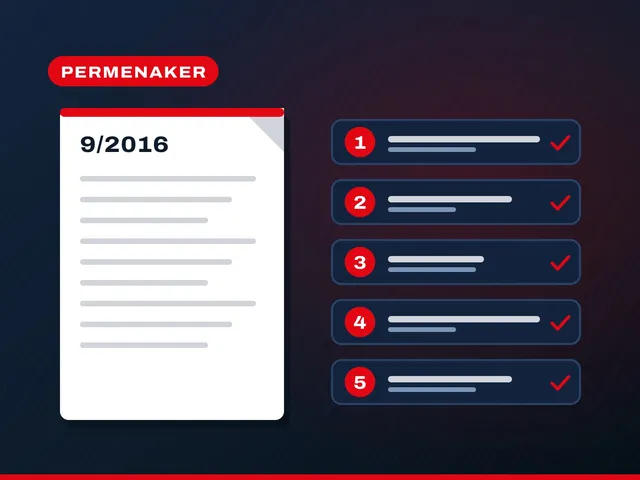
Indonesia's main work-at-height regulation in plain language: the five mandatory elements, who must be competent, and what it means for employers.
TKPK or TKBT? Choosing a Kemnaker Work-at-Height Certificate
Two Kemnaker schemes for work at height, two different ways of working. A practical guide for technicians and HSE managers choosing the certification they actually need.
IRATA vs Kemnaker TKPK: Which Rope Access Certificate Do You Need in Indonesia?
IRATA is recognised internationally; TKPK is required by Indonesian regulation. The differences, when you need which, and why many technicians end up holding both.