



Regulation 9/2016 Explained: Indonesia's Work-at-Height Safety Rules
Indonesia's main work-at-height regulation in plain language: the five mandatory elements, who must be competent, and what it means for employers.
Published · Tim Rope Access Center
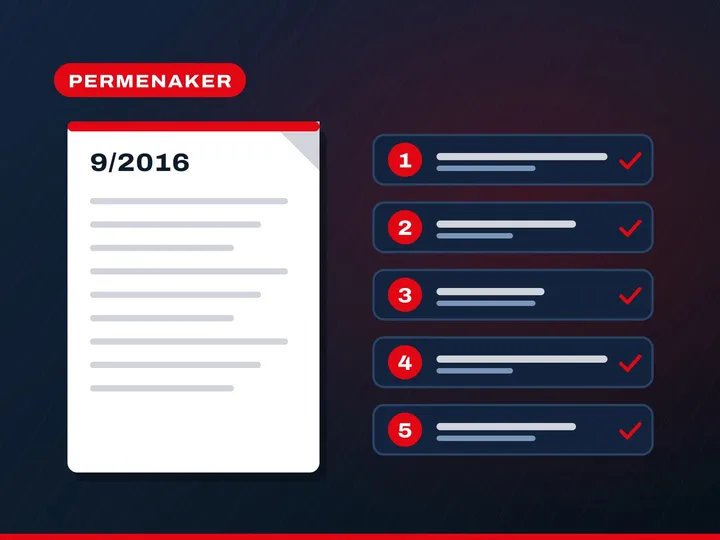
Table of Contents
Any job where someone can fall — a building facade, a telecom tower, a tank, a factory roof — falls under one main rule: Ministry of Manpower Regulation No. 9 of 2016 on Occupational Safety and Health for Work at Height. This article summarises it in practical terms. For legal purposes, always refer to the official text listed in the references.
The five mandatory elements
Regulation 9/2016 requires work at height to meet five elements:
- Planning — risks are assessed before work starts, including avoiding work at height where possible and planning for emergencies.
- Work procedures — written steps that every team member understands, from rigging to de-rigging.
- Safe work techniques — methods that prevent falls, such as the two-rope system used in rope access.
- PPE, fall protection devices, and anchors — equipment that meets standards, is inspected, and is connected to strong anchor points.
- Workers — the people doing the job must be competent and hold proof of competency.
The five depend on each other. The best equipment is useless without a procedure, and the best procedure is useless if the workers are untrained.
Competency: TKBT and TKPK
The regulation sets qualifications and competency requirements for two groups:
- High-structure workers (TKBT) — who climb structures such as towers, steel frames, and scaffolding. See TKBT Level 1 vs Level 2.
- Rope access workers (TKPK) — who work suspended on ropes, at TKPK Level 1, Level 2, and Level 3.
Competency is proven through training, a competency test, and a certificate plus K3 licence issued by the Ministry of Manpower. Not sure which path fits? Read TKPK or TKBT.
What it means for employers
For building owners, contractors, and industrial firms, compliance comes down to three practical things: keeping planning and procedure documents, making sure equipment has an inspection history, and only assigning workers whose certificates and licences are valid. These are also what auditors ask for first — see our audit checklist.
One element is often forgotten: the emergency plan. A worker hanging unconscious on a rope must be brought down in minutes, not hours. That is why we stress a tested rescue plan and offer standby rescue services.
How it relates to Decree 45/2008
Before 2016, technical guidance for rope access was set out in Director-General Decree 45/DJPPK/IX/2008. It is still often used as a technical reference for rope access procedures, while Regulation 9/2016 is the broader legal umbrella for all work at height.
Need your team certified under this regulation? See our training programmes and class schedule.
Related Articles
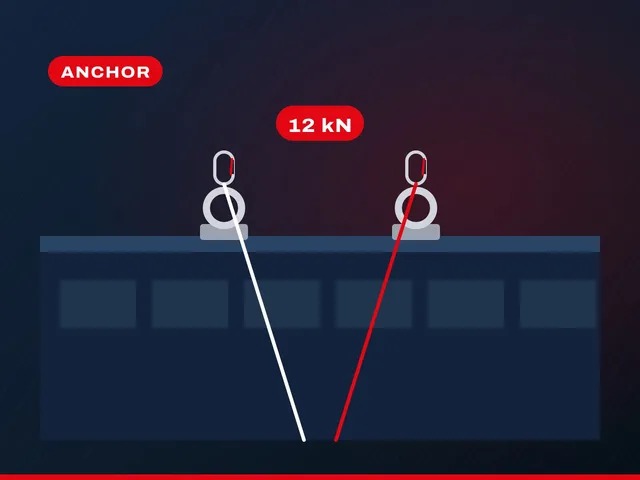
Rope Access Anchor Points: Requirements, Types, and How to Choose Them
Every rope access system depends on its anchors. The main types, what strength the standard asks for, and the rigging mistakes we see most often.
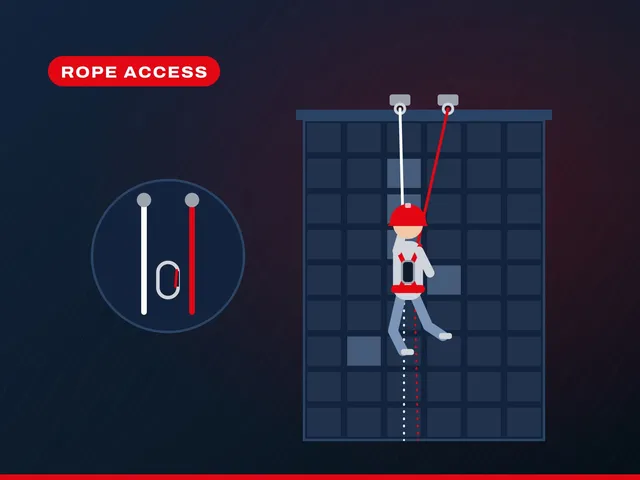
What Is Rope Access? Meaning, How It Works, and the Rules in Indonesia
A method of working at height with two independent rope systems. How it works, when it is the right choice, and the rules that apply in Indonesia.
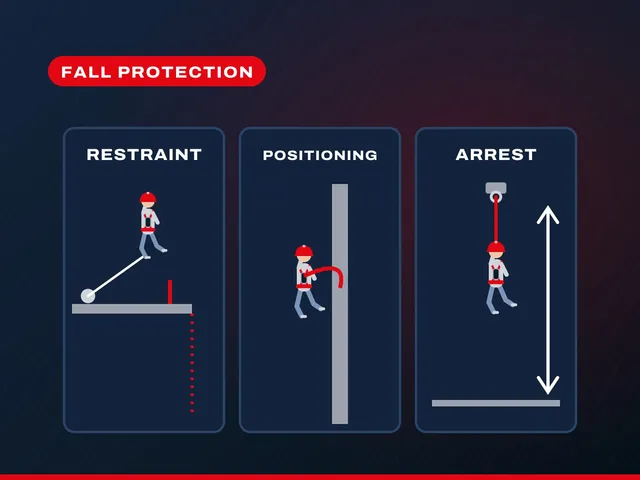
Fall Arrest, Fall Restraint, and Work Positioning: What Is the Difference?
Three fall protection terms that are often confused. Which one prevents a fall, which one stops a fall, and why the order matters.