



An Untested Rescue Plan Is Not a Plan
Suspension trauma can turn fatal within tens of minutes. Yet most rescue plan documents are never run once before a real incident.
Published · Tim Rope Access Center
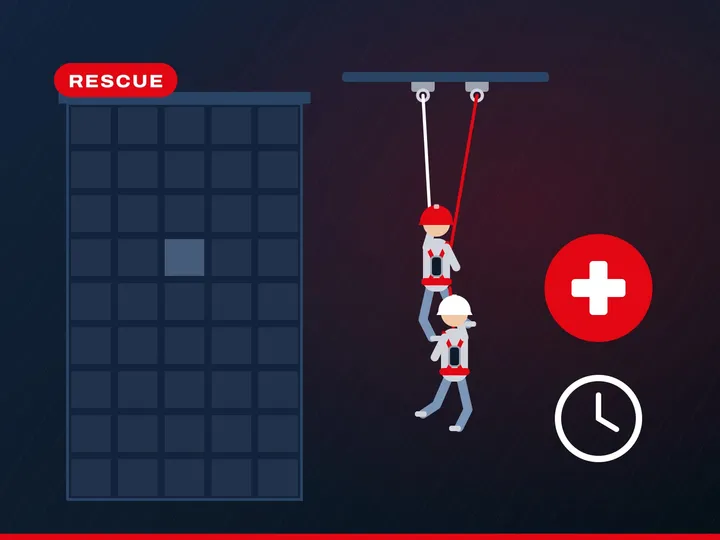
Table of Contents
In every work-at-height audit we run, we ask one identical question: When was this rescue plan last executed? At most facilities, the answer is never.
Why time is decisive
When a worker hangs unconscious in a harness, blood return from the legs to the heart is restricted by harness pressure on the thighs. The condition is known as suspension trauma, and in some people it can become critical in under twenty minutes.
That number sets a hard standard: if your team cannot get a casualty down within tens of minutes of the alarm, your plan needs rewriting.
The three failures we find most often
First, the copied template. The document names equipment that is not on site, or references anchor points that belong to a different building. This happens when a plan is written at head office without a site visit.
Second, dependence on outside help. Some plans name the fire brigade as the primary rescue step. Across Indonesian industrial estates, external unit response times are rarely under thirty minutes — far too slow for suspension trauma.
Third, a single competent person. A plan that only one particular supervisor can execute will fail on the day that supervisor is on leave, off sick, or is themselves the casualty.
How to test properly
A meaningful test happens on the real site, with the equipment actually held there, timed from alarm to the casualty reaching the ground. Use a manikin of adult weight, not a volunteer who can assist their own rescue.
Record the time. If it exceeds the target, change the plan — not the target.
The frequency we recommend
Re-test every six months, and after any of three events: a change to site structure or layout, turnover of key personnel, or a change of rescue equipment. Keep the timing record for every drill — a worsening trend is a valuable early warning.
Read also: rope access anchor points · fall arrest vs fall restraint
Related Articles

Regulation 9/2016 Explained: Indonesia's Work-at-Height Safety Rules
Indonesia's main work-at-height regulation in plain language: the five mandatory elements, who must be competent, and what it means for employers.
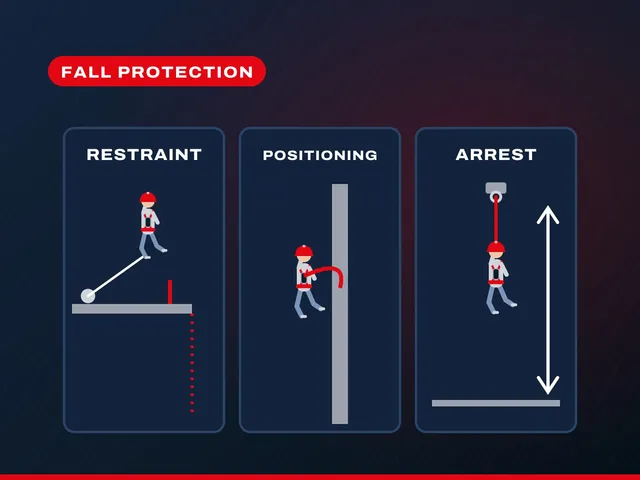
Fall Arrest, Fall Restraint, and Work Positioning: What Is the Difference?
Three fall protection terms that are often confused. Which one prevents a fall, which one stops a fall, and why the order matters.
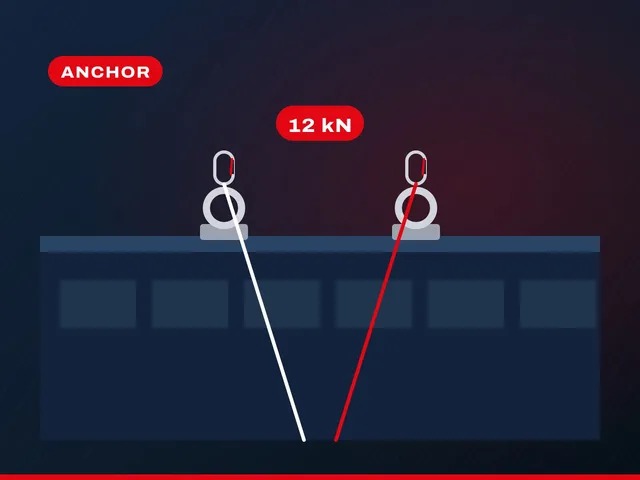
Rope Access Anchor Points: Requirements, Types, and How to Choose Them
Every rope access system depends on its anchors. The main types, what strength the standard asks for, and the rigging mistakes we see most often.