



Inspecting Rope Access PPE: What the Eye Sees, What the Record Misses
The pre-use check is only half the job. The other half is the history that tells you when a piece of kit must retire.
Published · Tim Rope Access Center

Table of Contents
Most technicians check their kit every morning. Far fewer can produce a harness’s full history when an auditor asks for it. Both matter equally.
The pre-use check
Done daily, by the person who will wear it. Run your fingers along the full length of the webbing — fingers find broken fibres and hard spots that the eye misses. Check the stitching, especially at load-bearing points. Open and close every carabiner to confirm the gate returns fully and the lock engages.
For descenders and ascenders, check rope groove wear, cam cleanliness, and spring action. A device that catches slightly today will catch more next month.
The six-monthly detailed inspection
This is done by a competent, recorded person — not by the user. Every item is checked against the manufacturer’s criteria, the result is logged, and the item is marked with its status. A simple colour-tape system per period makes status readable at a glance on site.
When an item must retire
Four non-negotiable reasons: it has arrested a fall, it has suffered chemical or heat damage, it has passed the manufacturer’s age limit, or its history is unknown. That last one is often waved away — borrowed kit with no history must be treated as unserviceable.
A record system that survives
Paper logbooks get lost. Spreadsheets branch into five versions. What survives is a system with three properties: every item carries a unique serial physically marked on it, every entry names who inspected it, and the records live in the same place as the rest of your HSE documentation.
When the auditor asks, you should not be searching — you should be opening.
Read also: rope access equipment list · how to wear a full body harness · rope access anchor points
Related Articles
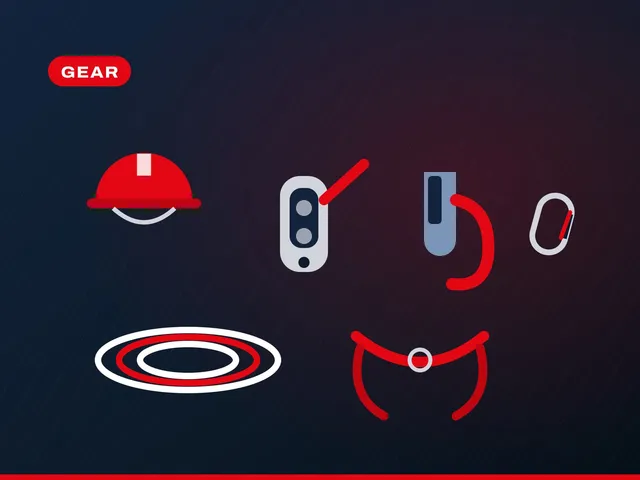
Rope Access Equipment and What It Does: A Complete Beginner's List
From harness to backup device: what goes in a rope access kit, what each item does, and which standards to check before you buy or use it.
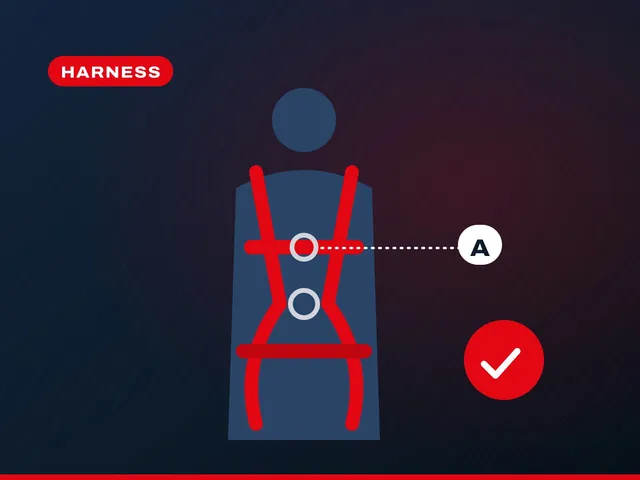
How to Wear a Full Body Harness Correctly: 7 Steps and Common Mistakes
A loose or upside-down harness can injure you when it arrests a fall. Seven steps to wear it correctly, plus the mistakes we see most often.

Regulation 9/2016 Explained: Indonesia's Work-at-Height Safety Rules
Indonesia's main work-at-height regulation in plain language: the five mandatory elements, who must be competent, and what it means for employers.