



How to Wear a Full Body Harness Correctly: 7 Steps and Common Mistakes
A loose or upside-down harness can injure you when it arrests a fall. Seven steps to wear it correctly, plus the mistakes we see most often.
Published · Tim Rope Access Center
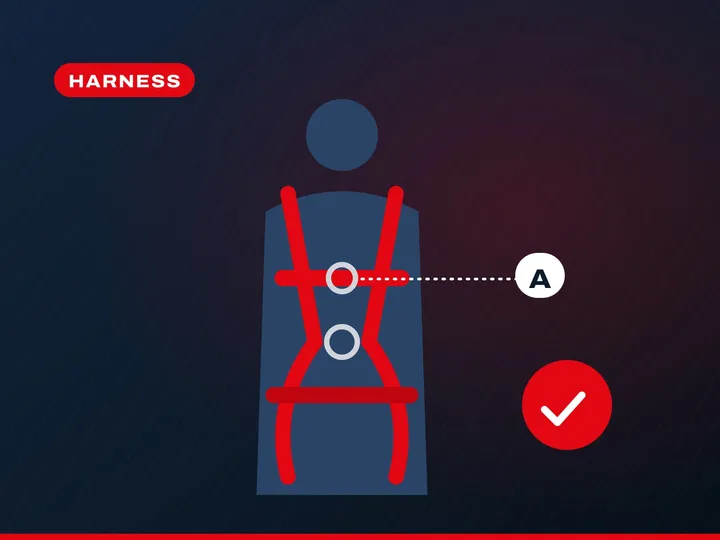
Table of Contents
The full body harness is the most-used item of fall protection — and the most often worn wrongly. A loose, twisted, or upside-down harness can let a body slip out or cause injury when it arrests a fall. Here is how to wear one correctly.
7 steps to put on a full body harness
- Inspect first. Check the label (manufacture date, serial number, standard), run your fingers along all the webbing, and check stitching and buckles. Cuts, burns, or an unreadable label mean do not use it. Full guidance in inspecting rope access PPE.
- Hold it by the back D-ring. Lift the harness by the dorsal D-ring and shake it so all straps hang straight and untwisted.
- Put on the shoulder straps. Slip your arms in like a vest. The back D-ring must sit between the shoulder blades, not at the waist or the neck.
- Fasten the chest strap. Connect it mid-chest, about armpit height. Too high can choke you in a fall; too low lets the body slip out over the top.
- Fasten the leg straps. Pull each leg strap from back to front between the legs and buckle it. Make sure they are not crossed or twisted.
- Tighten everything. Leg straps: a flat hand fits, a fist does not. Tuck loose strap ends into their keepers so they cannot snag.
- Do a short hang test. If possible, hang briefly close to the ground. A well-fitted harness does not shift and does not press sharply into the groin.
The mistakes we see most often
- Loose leg straps for comfort while walking — the most dangerous, because the body can slide down when a fall is arrested.
- Chest strap too high at the neck.
- Lanyard clipped to a gear loop instead of the attachment point marked A.
- Someone else’s harness worn without readjusting it to your size.
- No rescue plan — long suspension in a harness can cause suspension trauma. Read an untested rescue plan is not a plan.
Rope access harnesses are different
For rope access, the harness also has a ventral attachment for the descender and ascenders, plus a seat for long suspension. See the rope access equipment list. Wearing and inspecting harnesses is practised hands-on in our TKPK Level 1 and TKBT Level 1 classes.
Related Articles
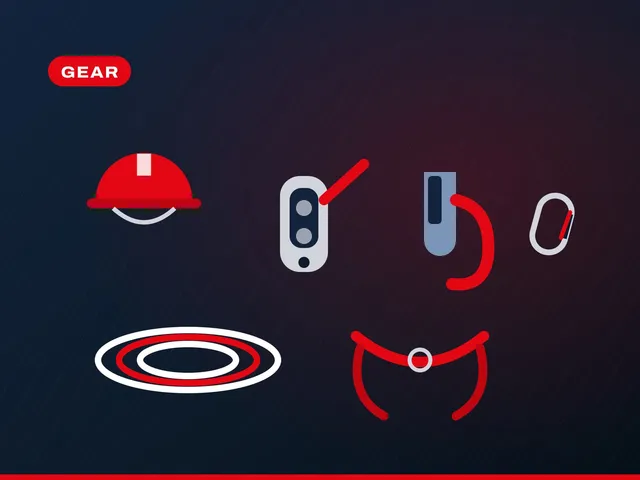
Rope Access Equipment and What It Does: A Complete Beginner's List
From harness to backup device: what goes in a rope access kit, what each item does, and which standards to check before you buy or use it.
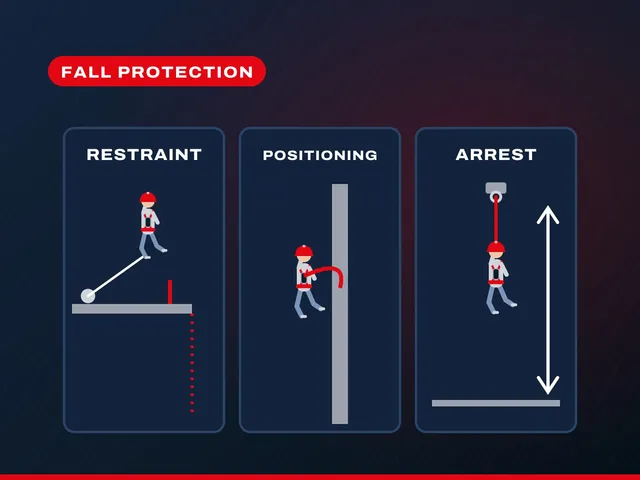
Fall Arrest, Fall Restraint, and Work Positioning: What Is the Difference?
Three fall protection terms that are often confused. Which one prevents a fall, which one stops a fall, and why the order matters.
Inspecting Rope Access PPE: What the Eye Sees, What the Record Misses
The pre-use check is only half the job. The other half is the history that tells you when a piece of kit must retire.