



Kemnaker vs BNSP Work-at-Height Certificates: What Is the Difference?
Two certification routes that are often confused. Who issues them, what rules they rest on, and how to make sure your certificate matches what the employer asks for.
Published · Tim Rope Access Center
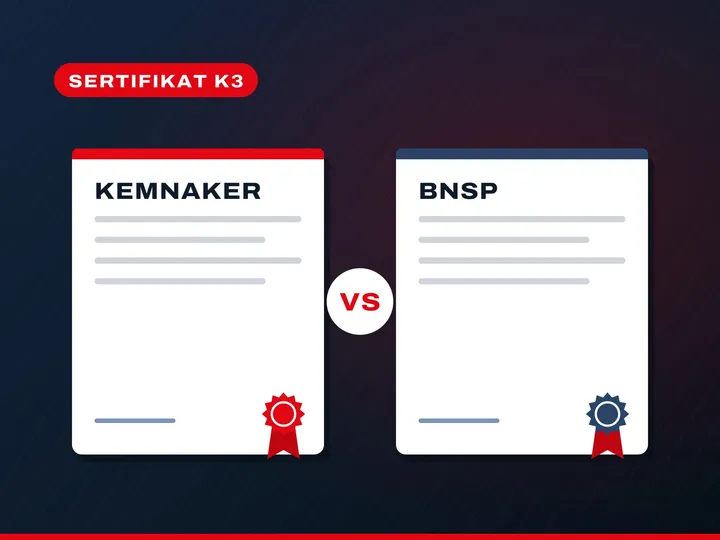
Table of Contents
“Work-at-height certificate” can mean two different things in Indonesia: a K3 certificate and licence from the Ministry of Manpower (Kemnaker), or a competency certificate from the National Professional Certification Agency (BNSP). Both are legitimate, but they come from different systems — and employers sometimes accept only one.
The Kemnaker K3 certificate and licence
Kemnaker issues K3 certificates and licences for specific safety roles, including workers at height under Regulation 9/2016. The scheme is graded: TKPK Levels 1–3 for rope access and TKBT Levels 1–2 for climbing structures. Candidates train, then sit a competency test under Kemnaker rules.
These documents are often checked by labour inspectors and are a permit-to-work requirement on many construction, building, and industrial projects.
The BNSP competency certificate
BNSP is an independent body that carries out work competency certification through licensed professional certification bodies (LSP), based on the national competency standards (SKKNI) under the national competency standardisation system. BNSP certificates are issued after assessment by an LSP assessor.
Which one do you need?
There is no single answer — what matters is who is asking:
- For permits and on-site safety checks, many project owners ask for the Kemnaker K3 certificate and licence at the right grade.
- Some tenders or companies also list a BNSP competency certificate as an administrative requirement.
So before booking training, read the competence clause in the contract or tender documents first. For choosing between the rope access and high-structure schemes, see TKPK or TKBT?.
Programmes at RAC
RAC runs training with Kemnaker RI certification: TKPK Levels 1–3 and TKBT Levels 1–2. We help trainees prepare their paperwork and explain the requirements for each grade — ask through our contact page.
Related Articles
TKPK or TKBT? Choosing a Kemnaker Work-at-Height Certificate
Two Kemnaker schemes for work at height, two different ways of working. A practical guide for technicians and HSE managers choosing the certification they actually need.
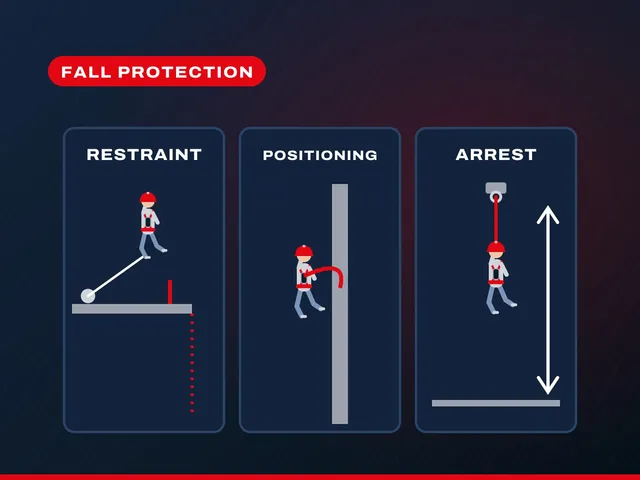
Fall Arrest, Fall Restraint, and Work Positioning: What Is the Difference?
Three fall protection terms that are often confused. Which one prevents a fall, which one stops a fall, and why the order matters.
How to Choose a Legitimate Rope Access Training Provider: 7 Things to Check
A certificate nobody recognises is no certificate at all. Seven things to check before you pay for rope access or work-at-height training.