


The Rope Access Career Ladder in Indonesia: From TKPK 1 to TKPK 3
From beginner to supervisor: certification levels, the experience to build up, and the extra skills that make a rope access technician in demand.
Published · Tim Rope Access Center
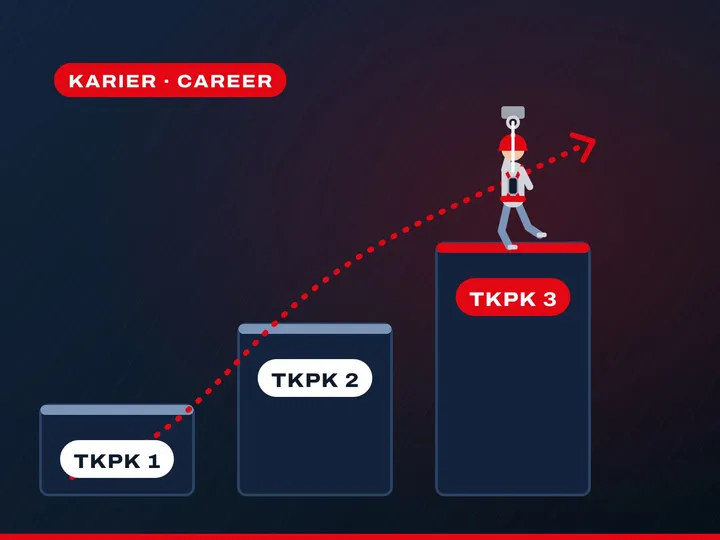
Table of Contents
Demand for rope access technicians in Indonesia keeps growing — more high-rise buildings, industry wanting inspection without scaffolding, and stronger enforcement of work-at-height safety rules. For anyone wanting a career in the field, the path is fairly clear.
Level 1: getting into the industry
TKPK Level 1 is the way in. No previous experience is needed; the main requirements are being at least 18 and medically fit for work at height. Level 1 holders work under the supervision of a Level 2 or 3 technician.
First jobs are usually in façade maintenance and glass cleaning, painting, or supporting inspection teams. Focus on one thing in your first year: work neatly and log every hour.
Level 2: rigging and looking after teammates
TKPK Level 2 requires a Level 1 certificate and documented working experience — typically at least 500 hours. At this level you rig your own anchor systems, handle loads with pulley systems, carry out more complex rescues, and supervise Level 1 technicians.
Level 3: supervisor
TKPK Level 3 requires Levels 1 and 2, senior secondary education, a minimum age of 22, working experience typically of at least 1,000 hours, and a first aid certificate. Supervisors plan the work, write rescue plans, and carry responsibility for the whole team’s safety.
Log your hours from day one
Experience that is not recorded is hard to prove. Keep a simple record of every job: date, location, type of work, hours on rope, and the name of a supervisor who can confirm it. That record is your evidence when you apply for the next level.
Extra skills that make you sought after
Rope access technicians are most in demand when they bring a second skill: façade painting and repair, sealant, electrical work, welding, or inspection. For towers and steel frames, a TKBT certificate complements TKPK. Companies can rely on technicians like this for more than one kind of job — which is why we also place them through our technician supply service.
Read also: rope access technician salary in Indonesia · IRATA vs Kemnaker TKPK
Related Articles
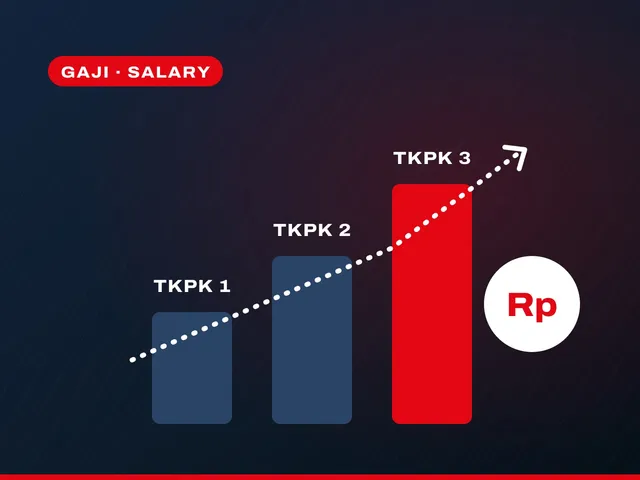
Rope Access Technician Salary in Indonesia (2026): Ranges, Factors, and How to Grow
How much do rope access technicians earn in Indonesia? Ranges from public job ads, what pushes pay up, and the role of TKPK certification in your career.
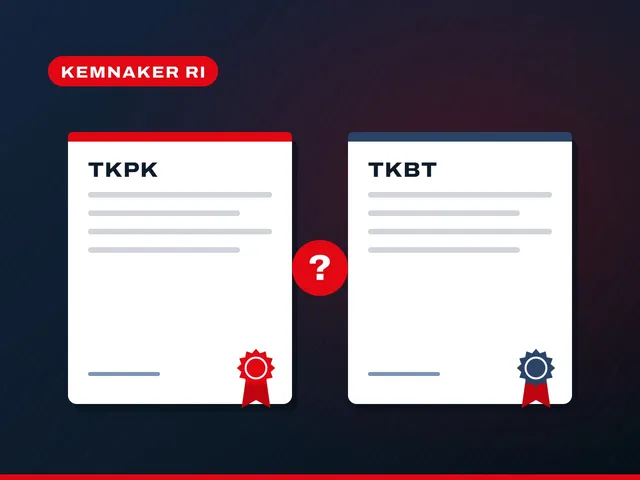
TKPK or TKBT? Choosing a Kemnaker Work-at-Height Certificate
Two Kemnaker schemes for work at height, two different ways of working. A practical guide for technicians and HSE managers choosing the certification they actually need.
IRATA vs Kemnaker TKPK: Which Rope Access Certificate Do You Need in Indonesia?
IRATA is recognised internationally; TKPK is required by Indonesian regulation. The differences, when you need which, and why many technicians end up holding both.